0:00 I'm just making people have a good time. But then in these festivals, in these shows, Copy link
0:04 this is a place for celebration. These are places where people come to have a good time Copy link
0:08 because life can be really hard. Well, I wanted these beautiful people to come and dance and, Copy link
0:12 you know, be on in non-ordinary states of consciousness, experiencing these cultures Copy link
0:17 and traditions. I'm there to make people move and groove and also to feel. It can be a little bit Copy link
0:22 taxing because you might not be feeling that same level of excitement, right? And so you're in this Copy link
0:28 space of being around celebration which is really fun and also can be depleting. In periods where Copy link
0:33 I'm just doing music I have some existential issues that arise around meaning. What am I Copy link
0:39 actually really doing? Copy link
0:48 I'm Abbas and this is Delbedel. Conversations about the stories we live but rarely tell. Copy link
0:55 What happens when the two halves of your life never meet? Copy link
0:59 And each one is whole. Copy link
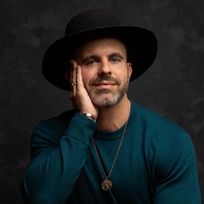
1:01 Maz Karandish grew up in Orange County, a California surfer kid and a Persian son in a family of musicians from Shiraz. Copy link
1:09 At six, he heard a nay in a tea house in Iran and cried. Copy link
1:15 And he has been following that sound ever since. Copy link
1:18 Today, he is a psychologist during the week and a festival musician on weekends. Copy link
1:24 with little overlap between those worlds. Copy link
1:27 This is a conversation about two identities, Copy link
1:31 what we owe the traditions we borrow from, Copy link
1:34 and where home lives in the body. Copy link
1:37 This is our conversation. Copy link
1:39 Welcome to the fifth episode of Del Be Del Podcast, Maziar. Copy link
1:44 I'm so grateful to be here. Copy link
1:45 Thanks for having me, man. Copy link
1:46 I appreciate it. Copy link
1:48 What is something that recently moved you Copy link
1:51 that you didn't expect it coming? Copy link
1:55 I recently played this festival in Colorado called Wild Doria. Copy link
2:00 And after my festival set, I was just hanging out, Copy link
2:05 dancing with my best friend, Dross. Copy link
2:07 And this band came on. Copy link
2:10 They were like a psychedelic jam band. Copy link
2:12 It was the old bass player from STS9. Copy link
2:15 And I just had a real deep experience with music Copy link
2:19 in a way that I hadn't had in a long time. Copy link
2:22 And it was really beautiful. Copy link
2:23 It reminded me of why I do what I do. Copy link
2:26 Because sometimes with this music world, Copy link
2:28 you're just running around and playing. Copy link
2:31 And I had a moment of really having a transcendental, amazing experience. Copy link
2:36 And I felt really moved. Copy link
2:37 So that was about a month and a half ago. Copy link
2:40 So pretty recent. Copy link
2:42 Yeah. Copy link
2:43 It was the kind of people or the vibe of the festival? Copy link
2:46 Yeah, the vibe was nice. Copy link
2:47 The people, it was very music forward. Copy link
2:49 It was the music. Copy link
2:50 It was just the music was just in the visuals. Copy link
2:53 They had this amazing visuals. Copy link
2:55 And the music was just like just psychedelic jam. Copy link
2:58 They were just doing all kinds of like cool stuff. Copy link
3:00 And I was just, you know, in a good space and set and setting was nice. Copy link
3:06 And I just really felt lost in it in a way that I just haven't experienced in a minute. Copy link
3:12 Yeah, it doesn't happen too often anymore. Copy link
3:15 Let's go back to the time that you were a kid. Copy link
3:19 in Orange County. How was it growing up? How was the things in your household, Copy link
3:25 with your parents, siblings? Take me to those years and days. Copy link
3:31 Right on. Yeah, so I was born and raised in Orange County. I was born in Mission Viejo Hospital, Copy link
3:37 and I'm the last one of four. So it was four of us, two older brothers, one older sister, Copy link
3:44 youngest of four. And my dad was an eye surgeon and a musician. And my whole family's musicians. Copy link
3:50 My brother Kaveh is an amazing composer and musician. And my brother Makan was an amazing Copy link
3:56 musician and director. My sister Nazanin plays Daffin, sings beautifully. And my dad was an Copy link
4:01 incredible singer and pianist. He's no longer with us. But so I was surrounded by music and culture. Copy link
4:09 we're from Shiraz. So it was very important that I stay very connected to my culture. We'd go visit. Copy link
4:14 It's been about 25 years since I've been, but I'm going when I was younger. But for the most part, Copy link
4:20 in Southern California, you know, I was just kind of trying to fit in as a part of the dominant Copy link
4:26 culture and like, you know, going getting into surfing and, you know, just all the fun little Copy link
4:33 things really into tennis. And it was always this balance of like, you know, being, I mean, you know, Copy link
4:39 you're Persian, you know, and we're Iranian and my parents would never speak English to me ever. Copy link
4:45 If I tried, you know, I had all these Iranian American friends that would talk English with Copy link
4:49 their parents. But if I got a call or if I see them, you know, they're always like they would Copy link
4:54 never, they would never allow me to speak English with them. And so they were very adamant that I Copy link
4:59 speak the language, that I read, and I write. And the music helped, obviously, being immersed in that. Copy link
5:06 And we come from a big family of poets. My father's side goes back to a number of generations to Saadi, Copy link
5:13 Saadi Shirazi. So he was a very famous poet in Shiraz. And so they're very adamant about our Copy link
5:20 culture. And I have a lot of musicians and artists in his Koran is the family in Shiraz. And so Copy link
5:27 So he was like, OK, you're this, you know, this is Persian kid, you know, but I was just trying to be kind of a white boy. Copy link
5:34 And I could totally talk like a surfer and, you know, just like super into the Southern California thing and listen to, you know, this and that and psychedelic rock and reggae. Copy link
5:45 And so it was just always this balance of like fitting in and being American, you know, from California and then like Persian, you know, so I had these like split identities in a way. Copy link
5:56 and the trips to Iran and the time I spent there really helped me connect with that part of my Copy link
6:03 culture and so as I got older and older I started appreciating that relationship more and more and Copy link
6:09 slowly gravitated towards that. How old are you? You were born here right? I was born in Mission Copy link
6:15 View yep and then that's right how old were you for the when you we were going back and stuff yeah Copy link
6:20 We were going back and forth up until I was about 12. Copy link
6:24 So 11 years old, 12 years old. Copy link
6:28 Go back in the summers, spent some time there. Copy link
6:31 I had a lot of family there. Copy link
6:33 So the last time I was there, I think I was 11 years old, so about 25 years ago. Copy link
6:37 So we were going back, spending summers there, spending time there. Copy link
6:42 And my brother was making – he made a beautiful documentary in Iran called Iran, the Forgotten Glory. Copy link
6:50 I remember going and helping him out with that some years ago. Copy link
6:55 But that was the last time yet, so it's been about 25 years since I've been back. Copy link
6:59 You grew up in a household that music was part of everyday life. Copy link
7:04 When was the first time you got exposed to it and you felt like it? Copy link
7:10 I was forced to play the violin when I was four years old. Copy link
7:14 My older brother, Kaveh, plays piano. Copy link
7:17 In Persian families, it's a funny thing. Copy link
7:19 It's like, teach them, you know, piano or violin. Copy link
7:21 And then whatever else. Copy link
7:23 And I hated violin. Copy link
7:25 I mean, I would cry. Copy link
7:26 I would run away. Copy link
7:27 I'd run in my room and close the doors. Copy link
7:28 I don't know. Copy link
7:28 I was four years old, maybe five. Copy link
7:31 And I just had to go and a Suzuki method or some bullshit that I just did not like. Copy link
7:36 And I was six years old when I went to Iran. Copy link
7:40 And I was at an old style, like a chaichune, kind of as a tea house kind of vibe. Copy link
7:47 And there was some guy playing the name. Copy link
7:49 So he was playing this instrument, and I just started crying. Copy link
7:53 I started bawling, okay? Copy link
7:55 And I had this first deep experience with music that was like, oh, my God, what is that, right? Copy link
8:02 And so after that was when I told my mom, I said, I want to learn the nay. Copy link
8:06 You know, I said, I want to learn, you know, the nay. Copy link
8:09 And she, bless her soul, said, okay, I will take you to your nay teacher. Copy link
8:15 I'll get you nay lessons. Copy link
8:16 But also she took me to therapy because she was concerned why a six-year-old would be so moved by something so painful and something so sad in their mind. Copy link
8:29 You know, a lot of Persians hear the nays. Copy link
8:31 Oh, they hear traditional Persian music. Copy link
8:33 They start crying. Copy link
8:34 It's so much deeper than that. Copy link
8:36 But that was her interpretation. Copy link
8:38 So she did take me to nays lessons, but she was concerned for why I'm so deeply moved by this painful instrument. Copy link
8:46 So that was the first real time that I was like, oh, wow, music is really cool. Copy link
8:50 And that got me into traditional Persian music and then Indian classical music and all this other stuff as time went on. Copy link
8:59 And Nei is a difficult instrument. Copy link
9:01 I have so many friends who have tried Nei and it looks simple, but it's not like a flute that you can make. Copy link
9:09 I mean, it takes months to make something out of it. Copy link
9:12 It's a goddamn reed, right? Copy link
9:14 It's a hollow tube. Copy link
9:16 So it's just a hollow tube, and it's interdental. Copy link
9:18 So we put it in between our teeth, which is very weird. Copy link
9:22 It's a very strange thing to do with anything, but especially the flute. Copy link
9:26 There's only two like it in the world. Copy link
9:28 It's the Iranian, the Persian Neh, and there's another kind of tuven throat singing tradition from Mongolia where they have this. Copy link
9:35 It just has four holes, and they do this kind of weird interdental thing. Copy link
9:37 It's very different but similar. Copy link
9:39 And it's very difficult to get the sound and to play the intonation. Copy link
9:43 And it makes you work for it, you know, quite a bit. Copy link
9:49 And when you can finally make the sound, it's really profound. Copy link
9:54 And, you know, I don't know if you know this, but it's a big part of the Sufi traditions, right? Copy link
9:58 So in the Mevlevi order, you know, the Ne is the king. Copy link
10:02 The Nezen is the top of the order. Copy link
10:04 And, of course, Rumi's Masnavi opens the Bishno as an H when he call Yatmi Kona das Jodal Yashaka, which means listen to the Ne for, you know, Copy link
10:13 it wails of the longing, this longing that we have when we're cut from source, like the same way that Copy link
10:19 this is cut from source. And then the wail of the nay is this cry for connecting back to this source. Copy link
10:26 So it has this profound spiritual reality, but when you're trying to learn it, it's just so, Copy link
10:33 it requires a lot of dedication and discipline. So I'll play a little Copy link
10:42 improvisation based on the radif, which is the music of Yuron, the traditional classical music of Yuron. Copy link
11:10 Oh, oh, oh. Copy link
11:44 Oh, oh. Copy link
12:18 Amazing. I'm still so surprised that you stick to it at the age of six, given that how difficult of an instrument it is to learn. Copy link
12:30 You know, it was a journey. I played it. I got the sound. I took some lessons. I kept practicing. I'd always have it. Copy link
12:35 You know, and then as I got older and older and more and more serious, I got, you know, back and back into it. Copy link
12:39 I mean, this morning I had a call with Shahouan Delivi, you know, Mr. Ostad Andalivi, who was like one of the best NA players in the world, if not the best. Copy link
12:49 I played with Rasmus Shajari on all the best. And I've been trying to study with this guy for years. Copy link
12:54 I finally, you know, he hit me up and said, OK, you know, I have some time. Copy link
12:59 So it's a journey. You know, you just keep doing it. Yeah, it's a well. It's a deep well. Copy link
13:06 Let's let's go to your teenage years. Right. So you as an Iranian American in Orange County. Copy link
13:15 How was life? How as somebody who came from Iran, I wanted to like fit in. Of course. Copy link
13:21 And I was wondering, how was it for you? Kind of your Persian identity, your love for music? Copy link
13:27 They can at the same time at in school. Copy link
13:29 You want to fit in, be a cool guy or, you know, in high school. Copy link
13:34 How was that journey for you in your teenage years? Copy link
13:36 Yeah, it's a really good question. Copy link
13:38 You know, by the time I was a teenager, I pretty much rejected the Persian culture as it was represented in Orange County in Southern California. Copy link
13:49 You know, I kind of slowly became a hippie. Copy link
13:53 I started growing out my hair, which was a terrible, terrible experience for my mother. Copy link
13:58 And just really starting to wear all these colorful clothes and getting into Pink Floyd. Copy link
14:03 I was really into psychedelic rock and going on these cool psychedelic journeys and experiences. Copy link
14:09 And I had one Persian friend, my buddy Kion. Copy link
14:12 He was like the only guy who's awesome, still friends with him to this day. Copy link
14:16 But for the most part, I just rejected that part of it. Copy link
14:19 I kept the music, but I just kind of moved away from that and moved away from kind of Copy link
14:25 the deep materialism that exists in that culture and all the talk. Copy link
14:30 And there's just like so much fragility underneath the ego, in my experience, in my opinion. Copy link
14:34 And look, if it works for them, if it works for someone, they have an easy time fitting Copy link
14:39 in, they like a nice black bands, you know, and wearing, you know, Gucci or whatever. Copy link
14:43 And that's great. Copy link
14:44 I'm happy for you. Copy link
14:45 But it wasn't my journey. Copy link
14:46 And I realized that at that point. Copy link
14:48 So what I chose to do was to reject that, keep the poetry, keep the music, and then also go more, you know, explore more deeply into the whole kind of 60s expression of, you know, hippie culture and that whole world, which then connected to mysticism and Eastern mysticism. Copy link
15:09 And I was interested in Indian classical music and started learning some sitar, Indian sitar in my later teens. Copy link
15:15 And so as I'm getting into that journey, it kind of moved me away from just the kind of the hippie movement to in like kind of the Southern California surfer bro to kind of a little bit more of the mystical traditions of meditation, spirituality. Copy link
15:29 And then I kind of moved into that in my later teen years and, you know, moved to Santa Barbara for school. Copy link
15:35 And that was kind of the late part of my teens. Copy link
15:40 And that part was, I think, for the most part, a really difficult experience for my parents because they saw me rejecting the mold. Copy link
15:47 They saw me doing things. Copy link
15:48 I want to pierce my ears and, you know, do all these things. Copy link
15:51 And I think they were worried about me for good reason. Copy link
15:54 I was having a lot of experiences with non-ordinary states of consciousness, and I totally understand. Copy link
16:04 But their red line was as long as you don't get into trouble and as long as you do pretty okay in school, you know, we're not going to, you know, this is kind of don't ask, don't tell policy. Copy link
16:18 So that was their journey. Copy link
16:20 But they didn't go to school here. Copy link
16:22 You know, they didn't go to high school. Copy link
16:24 You know, they didn't know. Copy link
16:24 I couldn't go talk to my dad about, you know, this girl I have a crush on. Copy link
16:28 You know, it was a very lonely time. Copy link
16:30 I'll say that, too. Copy link
16:31 My brothers were quite older than me. Copy link
16:33 They were out of the house. Copy link
16:34 And my sister was older than me. Copy link
16:36 And so I didn't, it was very lonely in that way. Copy link
16:39 And so I had to find friends that were older than me, my good friend Hesam, who like I started to idealize and connect with, who were Persian, kind of like attachment figures that I could actually relate to and talk about these things. Copy link
16:57 So I think that part of it was really lonely. Copy link
17:01 As part of the immigrant experience, as a part about the immigrant experience, it's really lonely. Copy link
17:06 And I didn't have that. Copy link
17:07 But I did have this particular kind of loneliness where I couldn't talk to my parents about anything about high school. Copy link
17:13 The only thing they knew about high school is that it's scary and that they were afraid because, oh, people do drugs and don't do it. Copy link
17:23 They get girlfriend. Copy link
17:24 So they were just afraid of it, but they didn't have any experience. Copy link
17:27 So I will say that that piece of it is important to acknowledge that I had to figure things out on my own. Copy link
17:32 Follow-up question on that, your teenage years. So my perception of Orange County, I never lived there, but is that the time has stopped there after the revolution. Like a bunch of Iranians moved from Iran to the U.S. and that culture has remained. And these people have the same perception of Iran as in 1978. Copy link
17:54 Right. So in those critical years. From what I see, you you preserve your Persian identity. Copy link
18:04 Those are the years that I would say there is a possibility that one person goes, OK, no, I'm fully American and kind of forgetting the Persian identity. Copy link
18:15 It's so true. You know, I think I think there's a bit of a mix down there. Copy link
18:19 There's the Iranians that have a relationship to Iran that go back and forth, which I had for some years. Copy link
18:25 And there's the ones that came here during the Shah's time. Copy link
18:28 And they're basically Iranian-American. Copy link
18:30 They're more American-Iranian. Copy link
18:33 They're not Iranian-American. Copy link
18:34 They're American-Iranian. Copy link
18:35 And I had friends like that. Copy link
18:37 People that I knew, especially in my early, early teens, were like their parents would actively try not to speak Farsi to them. Copy link
18:46 They wanted them to fit in as much as they can. Copy link
18:48 It was about they just celebrated Christmas. Copy link
18:51 It was about like we're American. Copy link
18:53 And so I had people I knew that kind of really did lose that connection with their heritage, especially if they're not going back to Iran. Copy link
19:02 We have to remember this is after 9-11, right? Copy link
19:06 I was 11 years old when 9-11 happened. Copy link
19:08 So like for all intensive purposes, we were Arabs. Copy link
19:12 We were – Osama is my cousin. Copy link
19:17 This is the way that people kind of thought. Copy link
19:20 And so there was that fear too. Copy link
19:22 It was like, okay, no, we're not, you know, especially if it was a white passing Iranian Copy link
19:26 because, you know, Iranians have a variation, some are lighter skin. Copy link
19:29 They'll be like, really, American? Copy link
19:30 You couldn't even tell, right? Copy link
19:32 And so I saw that. Copy link
19:34 The irony is a lot of those people then when I was in college were taking Farsi 1 to learn Copy link
19:38 ba-ba-ab-dad, you know, because, and they felt really bad in some ways that they didn't Copy link
19:45 even anger at their parents. Copy link
19:47 They didn't help them and support them to maintain at least those parts of the culture. Copy link
19:53 Let's talk about poetry. Copy link
19:57 I had no idea that you come from the tradition of like Sadi and Shiraz. Copy link
20:06 I guess my question is, you're fluent in both in English and Farsi. Copy link
20:10 Yeah, that's right. Copy link
20:12 How is it different to write poetry in Farsi versus English? Copy link
20:16 To me, English is my second language. I'm not as fluent. Copy link
20:21 Poetry is Farsi. I listen to English poetry. Copy link
20:25 It just doesn't do the trick that listening to Hafez or Rumi does for me. Copy link
20:32 And I was like, OK, it's because of the language barrier. Copy link
20:35 I'm so curious to hear your thoughts on that. Copy link
20:37 That's such a good question. Copy link
20:39 You know, there are beautiful poetry traditions in America and in English. Copy link
20:45 and folk music is where you'll find some of that really good stuff. Copy link
20:49 And it's beautiful. Copy link
20:50 I mean, the words are beautiful. Copy link
20:51 The associations are nice. Copy link
20:53 And I've written a lot of songs in English, and it's fun. Copy link
20:58 But Farsi, man, I mean, writing poetry. Copy link
21:03 So for my birthday, my aunts and stuff, they would write me poems. Copy link
21:07 My grandfather has a book of poetry. Copy link
21:09 It was like all around me. Copy link
21:11 A, there's this rich thousands of years of tradition that it's built upon, right? And so it's like Copy link
21:17 very different to write poetry in Farsi. I still, I have some stuff I've written, but it's like, Copy link
21:22 it's heavy, you know, you're sitting in, you know, the shoulders of giants. And it's, you know, Copy link
21:28 it's not only the language. Farsi is so beautiful, right? Because we like to talk with so much Copy link
21:33 melody and we have this kind of way of just talking and it's not so much monotone like Copy link
21:39 typically we speak in English. So the poetry has melody in it, right? Copy link
21:48 So as rhythm and it has melody at the same time. And so the reality is that the poetry in Farsi Copy link
21:58 carries much more meaning than just the words because of the way that it's spoken and that's Copy link
22:03 built into the poetry, right? So when we study Radif, we are studying the poetry, the rhythm Copy link
22:09 exists in the poetry right this is how it works so there's always rhythm and melody in the poet Copy link
22:13 and yet last piece is even for us as iranian people who read farce if you read the poetry Copy link
22:21 but the thing is is these guys they were musicians you know and they they would sing Copy link
22:27 They wouldn't say, Copy link
22:39 So then we'd listen to that in the singing, and it's like, oh, wow. Copy link
22:42 But that was the same. Copy link
22:44 So it was even a deeper experience because these poets, they were troubadours, Copy link
22:49 they would present their poetry in drama and with melody and with song. Copy link
22:55 And so even for us, I think we've even lost some of the meaning in that. Copy link
22:59 And so the most painful thing I think sometimes for us, you know, Farsi speakers, is, you know, seeing the translations of Rumi or Hafez or Sadi in English. Copy link
23:10 Because, yeah, you know, the light enters where the wound is or whatever. Copy link
23:15 But it's so much more than that, right? Copy link
23:19 It's like the associations and there's so much riches. Copy link
23:22 And I'm so grateful to all those people who've done those translations. Copy link
23:25 Thank you so much. Copy link
23:26 But it's just a limitation of language. Copy link
23:28 It's not a limitation on them. Copy link
23:30 It's just this is what happens because there's so many layers of meaning that exists in our poetry that just simply can't be translated. Copy link
23:39 Let's talk about your meditation experience. Copy link
23:43 Sure. Just before this podcast, as we were chatting, you mentioned you got into Vipassana meditation at the age of 18 and that continued for quite a few years. Copy link
23:56 How was that experience for you? It's a really good question. Copy link
23:59 You know, I would say that meditation has been a super integral part of my life. Copy link
24:04 It has made me who I am. I do credit Vipassana with being the most transformative experience of my life. Copy link
24:12 I was 18 years old. Copy link
24:14 I was, like I said, my teen's a little wild, kind of a psychonaut. Copy link
24:18 And by the time I got into meditation, I kept trying to meditate and turn light incense. Copy link
24:23 But I wasn't having a spiritual experience. Copy link
24:25 So someone, my friend Hessam, told me, this person, he's a psychologist, Copy link
24:29 he's telling me about, oh, I went to this thing, 10 days, so that's cool. Copy link
24:32 And it was donation-based, so I'm like 18. Copy link
24:34 I was like, okay. Copy link
24:35 So I signed up. Copy link
24:36 I didn't know anything. Copy link
24:38 I said, okay, I'm going to go do it. Copy link
24:39 So I did it. Copy link
24:40 And it totally changed my life. Copy link
24:41 So I, you know, kind of became a part-time monk. Copy link
24:44 You know, I was going to UC Santa Barbara for college, and it's like a party school. Copy link
24:48 And I was like basically celibate for three years, and I was not really drinking or, you know, partaking in that party scene in the same way. Copy link
24:59 So I maintained my vows. Copy link
25:02 You know, there's the vows that you take when you're at Vipassana. Copy link
25:05 And then I was going back two or three times a year. Copy link
25:07 I took my mom. Copy link
25:08 I took my brother. Copy link
25:09 I took all my friends. Copy link
25:10 If you knew me, you came to Vipassana. Copy link
25:12 I was like, I was passing out flyers in Santa Barbara. Copy link
25:14 I was like, this is so good. Copy link
25:15 Do it. Copy link
25:16 And, you know, I was meditating two, three hours, Copy link
25:19 sometimes four hours a day at the time. Copy link
25:21 I wake up 6 a.m., meditate, go surf, go to sitar class, Copy link
25:25 come back, meditate for an hour. Copy link
25:26 It was like religious. Copy link
25:28 You know, I got really into it. Copy link
25:30 And that lasted until I was about 25. Copy link
25:32 And then I took about 10 years, Copy link
25:35 just a break from Buddhism and non-attachment Copy link
25:37 to go to Burning Man and become a hedonist, which is a fun time. Copy link
25:42 And then just in the past year, I've reconnected back with Vipassana about eight months ago Copy link
25:50 in February, after 10 years, and I'm going back in January. Copy link
25:54 And so it's been a big part of my life. Copy link
25:56 And we'll talk a little bit about my professional life a little later, but my dissertation, my Copy link
26:02 PhD dissertation in psychology is on mindfulness and how mindfulness can be used to enhance Copy link
26:09 relationships. So it was also a part, it became also a part of my like academic and professional Copy link
26:15 identity as well. Amazing. Yeah, I would love to learn how that affected both your music and your Copy link
26:23 job as a psychologist later on. Let's talk about music and let's start with your first festival. Copy link
26:36 You said you were 25? I started going to festivals while I was in my monk phase. My very first Copy link
26:43 festival, I believe I was 19, it was 2009, I think, and it was Lightning in a Bottle. And Lightning in a Copy link
26:49 bottle that year was happening in Orange County. And my cousin, Ali, bless his soul, such a cool Copy link
26:55 dude, he's about my age, he said, hey, there's this festival, you know, going on. And what's the Copy link
27:00 festival, you know? Oh, you know, I don't know. Let's go find out. So it was happening right in Copy link
27:05 my backyard, basically, in Santiago Canyon, which is very close to where I grew up. And so I got a Copy link
27:11 ticket and went. And it was like, whoa, you know, and that was like, there was only like 5000 people Copy link
27:17 then so lib was still very small um and i there was a temple of consciousness up on the top and Copy link
27:24 that had like yoga and meditation and you know all this beautiful music that i'd never heard and then Copy link
27:30 down was like big bass nectar was playing and like all these you know uh this is like when people Copy link
27:35 weren't like you know they were like blown up so you see all these artists i didn't really know them Copy link
27:39 but i was like and some of them like i think it was you know it was like desert dwellers davis is Copy link
27:43 someone I heard, you know, was like, had all this like, you know, not Persian, like Middle Eastern Copy link
27:47 sounds. And so, whoa, this is so cool. And there's all these beautiful people, you know, and as a Copy link
27:55 person who was attracted to other humans, and beautiful woman, I was really excited to be there, Copy link
28:02 you know, as everyone is just so colorful and open, you're just seeing like such beautiful Copy link
28:07 expressions of men, women, people, the inclusivity in that way was so exciting. And it was just so Copy link
28:15 beautiful to be there. And as someone who had not ever seen that much colorful expression and all Copy link
28:22 the beautiful men and all the beautiful women and all these beautiful humans dancing and moving and Copy link
28:28 then doing meditation and doing yoga, I was just like blown away. And I was just like, oh my God, Copy link
28:35 this is what I want to do with my music. Copy link
28:38 This is where I want to end up. Copy link
28:40 I love this. Copy link
28:41 This is such a cool expression. Copy link
28:42 It's wholesome. Copy link
28:43 People are partying, but then they're meditating. Copy link
28:45 They're doing yoga. Copy link
28:46 So it was a transformative experience. Copy link
28:50 So my first transformational festival was transformative in that way for me. Copy link
28:54 How does festival compare for you to just regular shows? Copy link
29:00 Imagine you are going to a big gig venue. Copy link
29:03 You want to play for a few hours and then be out. Copy link
29:05 It's not a festival. Copy link
29:07 People come to that venue from their ordinary life versus in a festival. Copy link
29:12 They are in that vibe for a few days and then you go and be part of it and then play. Copy link
29:18 What is the difference? Copy link
29:19 It's a really good question. Copy link
29:21 And in my teenage years, as I was playing traditional music, you know, Indian music, a lot of the audience was seated audience, mostly older people, as you can understand, because that's traditional music. Copy link
29:33 So you go there and everyone, you feel judged. Copy link
29:34 You're like, you know, and then you're like, okay, yeah, I did a good job. Copy link
29:37 It's like passing a test. Copy link
29:39 And then there's shows that you have, you know, in the clubs or whatever, Copy link
29:43 and you go, or a concert venue, you go and you play for a bigger audience. Copy link
29:47 Nice people come for the evening. Copy link
29:48 They go home afterwards. Copy link
29:51 But one of the things that is so special about these festivals, Copy link
29:55 and I specifically, I mean, you know, Copy link
29:57 I wanted to create music where I'm not playing for a traditional audience. Copy link
30:00 I wanted the young people. Copy link
30:02 I wanted these beautiful people to come and dance and, you know, be on in non-ordinary states of consciousness, experiencing these cultures and traditions. Copy link
30:10 I was like, yeah, this is so because you're so open. Copy link
30:13 People are so open. Copy link
30:14 That's what happens at a festival. Copy link
30:15 People are open because you're there. Copy link
30:17 First of all, you're camping, usually in the woods, you know, with your friends. Copy link
30:21 So that's already really fun if you've ever done that. Copy link
30:24 Right. Copy link
30:24 And then also you have the music piece and you have all these artists and you're discovering all these things. Copy link
30:29 And, you know, people are partaking in their party, you know, favors or whatever. Copy link
30:33 And so they're having, you know, a elated time most of the time. Copy link
30:38 And there's an openness. Copy link
30:40 And so it feels like when you get to a festival, right, if I get there the day before, like my set is better because I've soaked in the energy. Copy link
30:48 I've connected with people. Copy link
30:49 I'm like in that spirit. Copy link
30:51 Right. Copy link
30:51 But if I get there the day of, I try to tune in like what's happening, you know, or maybe have a little bit of mushrooms, you know, or use a little microdivir. Copy link
30:59 dose, you know, just to kind of tune in with the frequency because it's different and it Copy link
31:03 builds over the weekend. Copy link
31:05 And then after that experience, then because the heart is open, because you're with your Copy link
31:10 friends, because you're in this container that you don't have to go home after the show, Copy link
31:14 you, you know, keep hanging out and then you go to your tent. Copy link
31:17 There's, I think, a really deeper engagement that is really potent with the music, but also Copy link
31:23 it's a different part of me that gets to really be lively and expressive and feel comfortable in my Copy link
31:31 weirdness because I'm a strange guy you know I wear like I wear my blue all the time you know I'm a Copy link
31:36 weird guy you know I really am really obsessive about certain things and so it's like I go there Copy link
31:41 I'm like all right my people man all right you know everyone gets to be a little weird here you Copy link
31:47 know or really weird if they want so I think that's the big difference is the immersive nature Copy link
31:52 of it and just how nice it is to get to not have to go home after the show and get to hang out and Copy link
31:58 camp with your friends yeah yeah being in that environment before and after and kind of more Copy link
32:04 immersed is there any difference uh between burning man and other festivals like burning Copy link
32:11 man is specifically it's not a festival uh let's say that but what is the difference Copy link
32:17 playing at burning man in sets fucking burning man i i mean you know look there's a lot of Copy link
32:24 different ways to look at it and i can talk about it from many angles yeah it's not sustainable Copy link
32:31 it's not this it's not that but damn it's a it's a very interesting place and i've had some really Copy link
32:38 deep experiences where it's it really has been transcendental and the cosmic whispers and the Copy link
32:45 cosmic wings where you get this glimpse of like something beyond this realm. Copy link
32:50 I have had experiences like that. Copy link
32:52 Most people have at Burning Man beyond just the party and the hedonism and all the fun Copy link
32:56 stuff. Copy link
32:57 So it's something else, right? Copy link
32:59 I mean, first of all, you're in the desert, right? Copy link
33:02 It's a very harsh environment. Copy link
33:04 I mean, yeah, let's go party in the harshest environment, you know? Copy link
33:07 So it's, and so there's a particular culture around that and just the gift economy. Copy link
33:13 It's a very different thing than a festival, right? Copy link
33:16 And it's just a different scale and the kinds of people that go there. Copy link
33:23 And when you show up, you kind of commit to something, right? Copy link
33:26 And you're committing to the unknown in some way. Copy link
33:29 So my experience with Burning Man and playing at Burning Man is really amazing. Copy link
33:35 I've had the great fortune of getting to play on all kinds of cool art cars and all that. Copy link
33:39 And you're not getting paid for anything. Copy link
33:41 So someone's like, you know, actually, that's I have gotten paid for some performances a couple of times, which I would have done it if they didn't offer any, you know. Copy link
33:50 But it's this gift economy. Copy link
33:52 So you're just like in this open space. Copy link
33:53 And the other piece about it for my music is like we're in the desert. Copy link
33:57 I mean, you know, Iran is not a desert. Copy link
33:59 If you go, there is some desert. Copy link
34:00 It's also a lot of mountains and beautiful oceans. Copy link
34:03 But it's kind of like people think of, you know, oh, desert music, you know, for people's, you know, their sense of it. Copy link
34:10 So all of a sudden, it's a little bit true. Copy link
34:12 Like Shiraz is like a dry environment. Copy link
34:14 So when I play my name, it's a different sound. Copy link
34:15 These instruments were made to withstand dry conditions. Copy link
34:20 It's just like feels really congruent with the environment, you know, Copy link
34:25 and I've had that experience. Copy link
34:26 People say, man, I've heard you. Copy link
34:28 And it's just like, wow, you know, it just felt like so appropriate. Copy link
34:33 And like, I just felt so in it. Copy link
34:35 And it was just meshing with the environment and the dust storm or whatever. Copy link
34:39 that they were experiencing. So there's this other layer to it to where this particular music, Copy link
34:44 I think, lands especially well as far as meaning is concerned for someone who's taking that music Copy link
34:51 in and for me who's getting to share looking out. And all I see is a sea of art and just lights and Copy link
34:59 sandstorms and beautiful people. And it is really special. So I think qualitatively, Copy link
35:04 It is a different experience. Copy link
35:06 And if you've never been to Burning Man, go once. Copy link
35:10 You know, go once. Copy link
35:12 And if you're, you know, scared, get an RV. Copy link
35:15 But I think it is a really, really unique experience to get to have. Copy link
35:23 I agree. Copy link
35:24 I think every human being should experience Burning Man at least once, and then they get to decide. Copy link
35:29 Yeah, exactly. Copy link
35:30 Yeah, because it's, I mean, you know, you've been. Copy link
35:33 But, you know, it's I mean, what was your experience when you got to go? Copy link
35:38 What have been some of your takeaways or experiences? Copy link
35:41 Yeah, my first burn was Mudburn, which was a tough burn. Copy link
35:47 And at the same time, I had a blast. Copy link
35:50 Just the level of love and the fact that everything is so non-transactional. Copy link
35:59 It's the kind of thing that you don't see in everyday life. Copy link
36:02 So it's just mind-blowing to see people, how they get together, and just openness. Copy link
36:09 Like people are free to just be themselves or whatever they want. Copy link
36:14 The rubble is, well, don't make harm, but it's like free self-expression, and you see that. Copy link
36:20 And there's passion, and there's love, and things that, yeah, it's like missing in our everyday life in society. Copy link
36:28 And especially in our culture. Copy link
36:30 It's the opposite, the antithesis to Iranian culture. Copy link
36:34 I mean, it's just like because we're being reserved. Copy link
36:36 What are they thinking? Copy link
36:38 If you're hungry, tell them you're not. Copy link
36:40 They give you something, say no three times before you take it. Copy link
36:42 It's this culture of just continuously restricting ourselves and monitoring ourselves. Copy link
36:47 What are other people thinking? Copy link
36:48 And of course, some of those play out of Burning Man's shirt. Copy link
36:50 But it's like my mom, whenever I tell her at Burning Man, she's like, Copy link
36:58 it's where everyone all the naked people go i said oh yeah it's you know it's you gotta come you know Copy link
37:03 so i took my brother actually one time and he had a great time but yeah it's so different than our Copy link
37:08 everyday culture and then it's so different than our culture you know and the ways that we have Copy link
37:13 um been kind of conditioned to look at like even um gender or like you know a naked body if you Copy link
37:21 know, a feminine naked body or a male born body. Copy link
37:27 So it is really interesting. Copy link
37:30 I want to segment into this topic that I'm interested in, cultural appropriations. Copy link
37:37 This is something that I got to know more recently. Copy link
37:39 And you play Persian music and at the same time you play the sitar. Copy link
37:46 What are your thoughts on this in terms of is it okay to play other kind of music? Copy link
37:56 It's such a good question, right? Copy link
37:57 Because cultural appropriation goes beyond music, right? Copy link
38:01 So for a long time, the festival culture, people used to have feathers, like put a feather hat. Copy link
38:07 In the Western, at least in the West here in California, it's like one of the things you can't bring feathers to a festival. Copy link
38:13 you can't be wearing like an Indian Native American headdress because it's appropriative Copy link
38:17 for the most part. There's these things, that's where it kind of, it started with appropriating Copy link
38:21 largely Native culture. And it extends to so many things, right? And then, and then of course, Copy link
38:28 with the music, right? And we talk about, you know, what is the line, and I love talking about this, Copy link
38:34 between appropriation versus appreciation. And it's a fine line, you know, it's a fine line in Copy link
38:40 the world of music that I exist in, there's many producers and artists who I believe are bastardizing Copy link
38:47 the music of the East. They take this sample, this sample, they don't know the name of the instrument. Copy link
38:51 They do because it says it on Splice. They don't know a single person who plays the instrument. Copy link
38:56 They don't know one artist. You have to know one artist. If you're using an instrument in your Copy link
38:59 sample, you got to know one artist from that tradition. And like a paragraph, read a paragraph Copy link
39:06 off on Wikipedia about where it came from. So I do believe that that's really important if you're Copy link
39:12 going to use other music from other cultures. Why? Because I believe that the line between Copy link
39:19 appropriation and appreciation is education and naming. So I think if somebody educates Copy link
39:28 themselves in a particular thing, right, in a meaningful way. And they really honor, okay, Copy link
39:38 that and are able to name it and say, you know, I'm influenced by, you know, the music, or I used Copy link
39:44 an oud in my sample, which was, you know, you know, Abdul Mahmoud Wah, you know, these, you know, Copy link
39:49 Farid al-Atresh, you could say one name of an oud player, you know, that, yeah, I listened to, Copy link
39:53 and I listened to his phrasing and I got inspired by that to like throw it into this bass banger. Copy link
39:59 And that would be really sweet. Copy link
40:00 And I think that at that point is cultural appreciation. Copy link
40:03 With what I'm doing is I don't play or use any cultural or instruments or traditions that I haven't studied pretty deeply. Copy link
40:12 You know, I studied Indian classical music with Nasir Sayyid, Shajat Khan, and this whole very deep tradition, Copy link
40:19 very, very deep tradition for many years. Copy link
40:22 And I was a disciple. Copy link
40:24 for many years and I studied Raga music and of course the traditional Persian music is also in Copy link
40:29 Turkey I studied some Turkish music in Greece studying Greek music in the labyrinth and Crete Copy link
40:36 and other places so you know learning education naming so if someone says oh what it says yeah Copy link
40:43 you know that comes from the epirozika tradition of northwestern Greece and uh and and humility Copy link
40:51 I think that you have to say, this is where I'm because that's what naming it and education brings us humility. Copy link
40:56 So, oh, my God, this is such a big tradition. Copy link
40:58 I'm just touching it a little bit. Copy link
41:00 So I believe you can do that, you know, but if you're going to use like a Native American flute in your sets, we're going to do it. Copy link
41:09 But go take 10 lessons or 20 with a Native elder who plays that flute and really understand and give back to that culture. Copy link
41:20 OK. That's my opinion. Somebody else can have a different opinion. I respect that. Copy link
41:26 But I really do think it's about, you know, really naming it, really educating ourselves and being able to have the humility to to say, yeah, I'm inspired. Copy link
41:36 This is where it comes from. And this is the name of my teacher who I studied with. So this is my opinion. Copy link
41:42 I love that. Yeah. In our men's group, we used to share stories. Copy link
41:49 And at the end, we would say, aho, which comes from Native American tradition. Copy link
41:56 And at some point, we had this heated discussion whether it's okay to use this or not. Copy link
42:02 And we had a hard-to-hard conversation. Copy link
42:06 Some of our friends were really strongly opposed to it. Copy link
42:09 And some, we felt that it's just appreciation. Copy link
42:12 And I think it was never settled. Copy link
42:15 We stopped using that phrase. Copy link
42:18 But I think a lot of people had strong opinions. Copy link
42:21 And at the end, I love the way you phrase it, which is appreciation versus appropriation. Copy link
42:29 Like how much connection do you have to that tradition? Copy link
42:34 Yeah. Copy link
42:34 And just to come at it from a completely different angle, also like cultural preservation. Copy link
42:41 Right. Copy link
42:41 So like even the people, all the producers, all my friends who are using these samples, Copy link
42:45 I love you all. Copy link
42:46 You know, it's thank you. Copy link
42:47 It's great on another level for their bringing, because they might not fully, but someone will hear it. Copy link
42:52 They come to me, what is that? Copy link
42:53 He says, that's a duduk. Copy link
42:54 It's from Armenia. Copy link
42:55 Jivan Gasparian, go listen to this guy. Copy link
42:58 So the other thing is that even, let's say, cultural appropriation sometimes actually brings cultural preservation. Copy link
43:07 Because then if people don't say, yeah, the whole piece is, I see that argument of maybe this is not. Copy link
43:13 But also it's like if we just get so lost in that, then we lose the connection to some of these things. Copy link
43:18 So sometimes even appropriation in those ways, even if it's appropriative and it serves cultural preservation, then I'm for it. Copy link
43:26 And it's a big part of my music is I use electronic music to preserve culture. Copy link
43:31 People may say, no, you're bastardizing it. Copy link
43:34 I respect you. Copy link
43:35 Thank you so much. Copy link
43:36 You always need both waves of people who say, no, you're doing it wrong. Copy link
43:40 And people are saying, yeah. Copy link
43:42 You know, you always need that. Copy link
43:43 Every artist should always have people Copy link
43:44 or telling them they're doing something wrong. Copy link
43:46 But I think if it serves the cultural preservation, Copy link
43:51 then I think it's a good, I'm fully for it. Copy link
43:55 So it's a complicated conversation. Copy link
43:58 I think it would be awesome Copy link
43:59 if we can have those conversations Copy link
44:01 without it getting heated Copy link
44:03 and be able to come at them with reflectiveness, Copy link
44:07 curiosity, and look at our own biases Copy link
44:11 and internal dynamics. Copy link
44:13 And generally speaking, I think if we do something and everybody agrees with it, we are probably Copy link
44:20 not pushing the boundaries and potential. Copy link
44:26 Yeah, yeah, you know, I would agree with that. Copy link
44:35 Are you feeling tired, sluggish and low on energy throughout the day? Copy link
44:40 Do you suffer from muscle cramps, restless sleep, or that mysterious twitch in your left eyelid? Copy link
44:47 Did you struggle to stay awake until midnight to see who was winning the Michigan Senate race? Copy link
44:53 Well, my friends, you might be suffering from something millions of people don't even know they Copy link
44:58 have, a lack of expensive salt. That's right. Today's sponsor has taken one of nature's most Copy link
45:06 abundant minerals, mixed it with a couple of other minerals, put it in a beautifully designed little Copy link
45:14 packet and made it approximately 40 times more expensive. And the best part, it's not just salt. Copy link
45:22 It is a lifestyle. One packet a day and suddenly you are hydrated, focused, emotionally available Copy link
45:32 and ready to explain to everyone at a dinner party why regular water is not enough anymore. Copy link
45:39 And because we care deeply about you and your health, you can use this promo code. Copy link
45:45 All right, just kidding. Copy link
45:47 We don't have sponsors, not yet anyway. Copy link
45:51 So until someone decides to pay me to sell you overpriced salt, Copy link
45:55 I have a much cheaper way for you to support this podcast. Copy link
46:00 It's completely free. Copy link
46:02 Subscribe to Del Be Del on YouTube Copy link
46:05 Follow us on Spotify Copy link
46:06 Or follow the show on Apple Podcasts Copy link
46:09 It genuinely helps more people discover this conversation Copy link
46:14 And allows me to keep making them Copy link
46:17 And unlike the salt, this one actually calls you nothing Copy link
46:21 Although, if any electrolyte company are watching Copy link
46:25 My inbox is open Copy link
46:27 Anyway, back to the conversation Copy link
46:30 And we've been doing a lot of talking, so we'll do a little bit of music just to kind of... Copy link
46:35 So this is the Indian sitar. Copy link
46:38 And this is in the... Copy link
46:39 I studied in the school of Vlade Khan, Shajar Khan, what we call Gayaki Ang. Copy link
46:44 It's different than the one that Ravi Shankar and the more popular schools of sitar are considered. Copy link
46:49 And we'll talk a little bit more about that. Copy link
47:13 So one of the things you're seeing immediately is that I'm pulling the string. Copy link
47:18 So this is the interesting thing about this. Copy link
47:20 So I go... Copy link
47:22 Right? Copy link
47:30 So this is where a lot of the practice comes as why it's a difficult instrument is because you have to pull. Copy link
47:36 And it leaves a lot of tension and it's a very painful instrument to be able to do. Copy link
47:40 But that's the amazing thing about Indian music, North Indian music, Raga music, Copy link
47:44 is it was made to imitate the human voice. Copy link
47:47 Right? So if I'm going... Copy link
47:56 So it has this kind of quality, it's very vocal. Copy link
48:06 Right? Copy link
48:13 So that's what really drew me into North Indian classical. Copy link
48:16 First, it was the Beatles, George Harrison. Oh, my God, there's the Eastern instrument that's really into the psychedelic hippie scene. Copy link
48:22 You know, what's that about? And I got my curiosity in my teen years and went on and studied and learned more about it. Copy link
48:29 And it just became totally grasped by because of that, because it's such a vocal tradition. Copy link
48:35 And then I realized this whole connection I had to Persian music, which we'll talk about a little bit later. Copy link
48:40 But it's it's just a beautiful, you know, really beautiful instrument, but really music. Copy link
48:46 So instrument is just a vehicle. Copy link
48:48 So you can learn Bansuri, you can learn voice, doesn't matter. Copy link
48:51 You're learning Raga. Copy link
48:51 This is about Raga. Copy link
48:52 The sitar is just one vehicle for Raga. Copy link
48:54 Oh, sitar, you're a sitar playing, it's so beautiful. Copy link
48:57 It's the Raga that's beautiful. Copy link
48:59 I'm just a vehicle, and this is a vehicle for that. Copy link
49:03 What is Raga music, right? Copy link
49:05 Raga music is a musical personality. Copy link
49:08 So we have a variety of different musical identities, personalities, Copy link
49:11 and we start bringing them to life based on a combination of notes, shapes, structures, moods, times of day, seasons. Copy link
49:22 Some like to come out in the evening, some are morning, ragas. Copy link
49:26 Some like to come out in the spring, some have all these different times of day. Copy link
49:30 Also, our old ma'amah used to have that in Iran as well. Copy link
49:32 We don't anymore. Copy link
49:33 But there was much more connection between those two cultures in the 16th, 17th century. Copy link
49:40 So what we try to do is we try to bring out the musical personality, right? Copy link
49:45 So how do we bring out the musical personality? Copy link
49:48 You know, we say, okay, well, here's the nose. Copy link
49:53 And if you're listening, you're saying, okay, that's the nose. Copy link
49:59 You're saying, okay, there's the eyebrows, you know, and then. Copy link
50:02 And they're like, okay, now I'm seeing the chin. Copy link
50:07 Right, and then now we start drawing the face. Copy link
50:21 right so now we started kind of creating the personality then we bring the heartbeat Copy link
50:29 so then you start birthing it and then it goes into this whole dance and it ends Copy link
50:34 you know playing very you know this kind of this becomes the dance of life you know and Copy link
50:42 just keeps going and going and going and so you can learn this with the instrument which is really Copy link
50:47 nice and obviously this is the different sitar is what i've designed with muhammad wasim but uh you Copy link
50:53 have a big gourd usually and you know you just kind of uh uh are uh sitting in a particular way Copy link
51:01 and all that, but it's just a vehicle. Copy link
51:03 So in addition to studying this, I study Drupad music, Copy link
51:06 which is the vocal tradition of North Indian classical music, very old. Copy link
51:10 It goes back to the Vedas, 2,000, 3,000 years, 3,000 years. Copy link
51:13 And that one is just a syllable singing. Copy link
51:15 So we use syllables like this. Copy link
51:17 So if I go, right, then that becomes... Copy link
51:37 It's still just using the syllable singing. Copy link
51:40 So a lot of my compositions, also my electronics, what are you singing? Copy link
51:44 I'm just doing it's a syllable singing, right? Copy link
51:48 So we go... Copy link
51:57 I'm just composing this because that's what the raga teaches you, ultimately, is how to just compose right away. Copy link
52:04 So if you say, compose something, now we use these at a different scale, right? Copy link
52:07 You say, well, compose something in a bupala. Copy link
52:14 This is a very happy raga. Copy link
52:17 You know, so then all of a sudden you have this very much more jovial feel. Copy link
52:35 So it's just a vehicle that we use. Copy link
52:38 So the system teaches you how to access the raga Copy link
52:42 and how to be able to bring it in to life Copy link
52:44 and ultimately make it a part of you. Copy link
52:47 And the more you study, the more deeper you study. Copy link
52:50 So I've only been doing it for 20 years. Copy link
52:52 But in 20 years, then I'll have more personalities than I know, right? Copy link
52:55 My voice and my instrument is more attuned to the raga, you know, as time goes on. Copy link
53:00 So that was what really pulled me into it, is how vast and how beautiful it is. Copy link
53:05 And just the range of emotional expression. Copy link
53:07 In Persian music, we're really good at bringing. Copy link
53:10 We make the major scale sad. Copy link
53:12 It's amazing. Copy link
53:13 Like in Radif music, you know, so like we have these connections. Copy link
53:16 So Mahur, right? Copy link
53:18 So we have that in Indian music. Copy link
53:22 There's a view about Al-Hayabalavu, Copy link
53:24 one of the clothes once in a while. Copy link
53:26 But, you know, in Al-Hayabalavu, Copy link
53:27 we go... Copy link
53:35 Right, so it just has immediately this... Copy link
53:37 You know, the Persian music, Copy link
53:39 we take the Mahur, Copy link
53:40 and it's this... Copy link
54:01 It's not happy, but it's not sad. Copy link
54:03 It's like, but we know how to bring out, Copy link
54:05 even in the major goddamn scale, Copy link
54:07 which is supposed to be this jovial sense, Copy link
54:10 the magic of Persian music. Copy link
54:11 But in Indian music, very big range, man. Copy link
54:14 You have a huge range of emotions that you have access to. Copy link
54:17 Some really weird feelings that I haven't experienced in other musical traditions. Copy link
54:22 So it's got a big range. Copy link
54:25 So when you moved from Persian music to Indian music, you felt that, that you can express yourself in a wider range? Copy link
54:34 A hundred percent. Yeah, yeah, exactly. Copy link
54:36 felt like you have access to more emotions more um emotive spaces you have access to being able to Copy link
54:44 express more of your own emotions you know um and uh it just seemed like it was a vast ocean Copy link
54:52 which in Persian music or even here I studied something like western harmony which is amazing Copy link
54:57 and in my teens you know learning guitar and keys my brother's teaching me piano it's nice it's but Copy link
55:04 it never felt like vast. Copy link
55:05 I felt like, oh my God. Copy link
55:07 And this is the nicest thing about it. Copy link
55:09 This is what's lost to our music, kind of. Copy link
55:11 Is that it's, we say sine ve sine, or eye to eye or chest to chest. Copy link
55:17 So you sit in front of your teacher. Copy link
55:18 There's no notes. Copy link
55:19 We don't have notebooks. Copy link
55:21 And then he just sits there and he goes. Copy link
55:26 Then you try to imitate. Copy link
55:28 Nope. Copy link
55:29 Listen again. Copy link
55:29 And then you go. Copy link
55:32 You're talking about Indian music. Copy link
55:33 Yeah, Indian music. Copy link
55:33 So that's still... Copy link
55:35 That's how we do it. Copy link
55:36 That's why I got so drawn. Copy link
55:38 So the music is also about the relationship with your teacher. Copy link
55:41 So it's like that, you know, in some older school, Copy link
55:44 like, you know, who was like that Master Lotfi, the tar player? Copy link
55:48 He was like, he was very much the old school, you know, Copy link
55:51 and you just sit there and some of these masters don't even let you record. Copy link
55:55 So just whatever you learn in their presence is all that they let you take. Copy link
55:59 And then they just keep going. Copy link
56:03 When you do it and they say, no, no, no, no, no, no. Copy link
56:06 Listen. Copy link
56:06 And then they do it. Copy link
56:08 And you do it. Copy link
56:09 No, listen more closely. Copy link
56:10 And then they do it and they say, you are not listening. Copy link
56:16 Because it's so much fun detail. Copy link
56:18 So therefore, the music becomes very alive to the moment and in the relationship. Copy link
56:25 So to really learn this music, you have to kind of become a disciple. Copy link
56:29 And I was with my teacher, Nasser. Copy link
56:32 We'd go see his teacher, Shajat Khan Saab, Copy link
56:35 who's done stuff with Kayhan Kalhor, people know. Copy link
56:38 And then you sit with Nasser. Copy link
56:40 I wake up with him. Copy link
56:41 I take him to work. Copy link
56:43 And then I cook dinner. Copy link
56:44 And then he comes. Copy link
56:45 And every moment I can get, he's always practicing. Copy link
56:47 He's always learning. Copy link
56:48 I sit with him. Copy link
56:48 He says, you know, and then let's listen to Shajat Khan. Copy link
56:51 Okay. Copy link
56:52 So you just have to be immersed. Copy link
56:53 So I had a few years, three, four years of just full immersion of being a disciple. Copy link
56:57 And there's no money exchange. Copy link
56:59 And so we just kind of it's an exchange of your time and services and your energy often is a codependent relationship, which it was for a number of years. Copy link
57:10 But that's the magic. Copy link
57:12 And so we kind of lose that in Western music or other traditions of music because it's just like, well, let's just learn the chord charts or let's just look at the notes. Copy link
57:21 And you learn the notes and you learn how to read music. Copy link
57:24 And it's like, cool, I don't need, you know, but so much of really the heart of Eastern music and Indian, Copy link
57:30 and of course Persian music, was about the relationship you build with your teacher. Copy link
57:34 Therefore, it's passed down from one generation to the next. Copy link
57:39 It's similar to like Buddhist tradition. Copy link
57:42 Like you have like a teacher or monk and you work with them 24-7, basically in a monastery. Copy link
57:50 That's exactly what it is. Copy link
57:51 And it comes from those traditions. Copy link
57:53 And that's why I was ultimately, I had a lot of success in developing my skills in this tradition is that my meditation practice was so helpful. Copy link
58:04 Because I'm sitting there for one hour, two hours in pain, you know, anicha, anicha, anicha, you know, it's going to pass, this too shall pass. Copy link
58:13 And you just sit there and you practice because this is what these instruments, your fingers bleed for the first few months. Copy link
58:17 If you're practicing a lot, you know, it's very painful and you're sitting in an awkward posture. Copy link
58:21 But it comes from that, you know, what we call contemplative tradition, where you have to really be present and engaged. Copy link
58:30 And so more and more, it becomes more difficult to steep ourselves in these traditions. Copy link
58:34 This is why they're dying. Copy link
58:35 So if you go to Indian classical concerts, it's mainly, unfortunately, older people who are not going to be around in maybe 20 or 30 years. Copy link
58:42 You know, younger cats, much smaller. Copy link
58:43 This is why I love diffusion is because I want to bring this kind of out into that circle more because I do believe it's beautiful. Copy link
58:50 Not just the sitar, not the raga. Copy link
58:52 I mean, not the sitar or me. Copy link
58:54 The raga is beautiful. Copy link
58:55 That tradition is beautiful. Copy link
58:56 I want people to know that this is a beautiful tradition, you know, that exists and that you can have access to it if you wanted to. Copy link
59:05 Beautiful. Copy link
59:05 And before I forget, so the beautiful turquoise color, what's the story behind that, Monsieur? Copy link
59:11 So turquoise, you see, I'm obsessed. Copy link
59:13 I have lots of turquoise. Copy link
59:16 So turquoise, fitu is it. Copy link
59:19 In our culture, in Iranian culture, it was a very important stone, especially for men because they're not allowed to wear gold. Copy link
59:24 And so a lot of men, it goes back, many, many Sasanians and even the Hachaman during the Akramanid period, mainly during the Sasanian period and the Afshari period. Copy link
59:33 There was a lot of turquoise in Iran. Copy link
59:35 In those regions, you find it in the archaeological evidence points that it was a very significant. Copy link
59:40 So I like it. Copy link
59:42 And obviously here, it's a very big part of Native American culture, right? Copy link
59:45 So my turquoise, usually half of it is Native American, half is Persian turquoise. Copy link
59:50 Mainly Sleeping Beauty from mine in Arizona. Copy link
59:53 It's very similar to Persian turquoise. Copy link
59:55 And so for me, it's this color, this stone integrates my identity because I'm Persian, Copy link
1:00:01 but I'm here on the lands of Native Americans and we call it stone land or whatever. Copy link
1:00:06 So it's a stone and it's a color that integrates my identity, Copy link
1:00:09 that it gives me this relationship to this land that's also from where we come from. Copy link
1:00:14 And I like it. Copy link
1:00:14 I like it. Copy link
1:00:15 A very similar answer is I like it, but the reason is because of that. Copy link
1:00:19 And actually, as I went through some loss, you know, I lost my brother when I was 19, Copy link
1:00:25 and I lost my dad when I was a few years after that. Copy link
1:00:28 And as I started experiencing more loss, I got more and more attached to having more and more turquoise, Copy link
1:00:34 having more and more blue in my life because so many things are outside of our control. Copy link
1:00:39 But this thing I could control. Copy link
1:00:41 I could wear as much blue as I want. Copy link
1:00:43 And it made me feel like, you know, they say Tartar was a watery and it's not for me. Copy link
1:00:49 It felt very grounding. Copy link
1:00:51 So it really is an identity thing and more of a reflection of my own process and culture. Copy link
1:00:57 I don't get to talk about this connection much. Copy link
1:00:59 And one of the reasons why, you know, I got really in, when I found a sitar teacher and I was starting, all of a sudden it started making sense is that I had some uncles, right? Copy link
1:01:09 And my dad's side that looked a little Indian. Copy link
1:01:11 And they sang. Copy link
1:01:12 They would listen to Bollywood. Copy link
1:01:14 And they would try to sing. Copy link
1:01:15 And I had some cousins that would do the dance. Copy link
1:01:17 And they actually, my dad looked quite Indian and his whole family. Copy link
1:01:22 And so I was always trying to understand what's going on. Copy link
1:01:24 And they would say, look, you know, our people in Shiraz, there was a lot of trades in Shiraz in India. Copy link
1:01:30 So you've got a great-great-grandfather married an Indian woman. Copy link
1:01:33 And he brought her here. Copy link
1:01:33 And this is why we all look kind of Indian. Copy link
1:01:36 And so I was like, really? Copy link
1:01:38 And I went to India. Copy link
1:01:40 And I went to Taj Mahal. Copy link
1:01:41 And I saw, oh my God, it says, all the memoirs, all the people who built the Taj Mahal, they're from Shiraz. Copy link
1:01:48 They say, Moa Sena Shirazi, Shirazi is all of these architects from Shiraz. Copy link
1:01:52 Because this was during the Mughal period. Copy link
1:01:54 And during the Mughal period, there was a huge cultural exchange. Copy link
1:02:00 Because the Mughals loved Persian language, music, and culture. Copy link
1:02:04 And they took it everywhere with them. Copy link
1:02:06 So this is during the Safavid dynasty, right? Copy link
1:02:08 16th, 17th century, when they took over North India. Copy link
1:02:12 You know, the peacock throne and all this. Copy link
1:02:16 It kind of lost history between India and Iran, but it's very much alive. Copy link
1:02:20 It's very interesting for me. Copy link
1:02:21 And so then I started, you know, I said, oh, man, there's a culture. Copy link
1:02:25 There's a cultural connection in me. Copy link
1:02:27 And now I want to really understand. Copy link
1:02:28 And I learned that actually it was this little instrument. Copy link
1:02:31 This is the Persian setar. Copy link
1:02:32 It goes back two, three thousand years. Copy link
1:02:33 It's a long neck lute, right? Copy link
1:02:35 So it's called a setar, S-E-T-A-R, because it has three strings, basically, right? Copy link
1:02:42 So three strings. Copy link
1:02:43 That's what it's called. Copy link
1:02:51 And I'm playing it with an Indian mezrab. Copy link
1:02:53 So we also call it mezrab in Indian. Copy link
1:02:55 A lot of the words in the Indian music also comes from Farsi, so I won't use the mezrab. Copy link
1:03:00 But basically, this instrument, it's very small, very simple. Copy link
1:03:05 And it was the main instrument that the Persians played in the courts. Copy link
1:03:16 In the courts. Copy link
1:03:24 So this, you know, dande, we call it the dande, the kharak, all these names, they come from this instrument. Copy link
1:03:33 So what happened was during, I believe it was the 16th, 17th century, somewhere in that time, court music of India, of North India became Persian music. Copy link
1:03:42 So then you had all these Indian musicians and also Persian musicians that were being exported at the time to India. Copy link
1:03:51 The connection goes even further back to Amir Khosrow and stuff, but we won't get there. Copy link
1:03:56 And they were going there. Copy link
1:03:58 And all of a sudden, all these Indian musicians are playing the Persian music, playing this little guy. Copy link
1:04:03 And as a means of cultural preservation, this sitar was created in the 17th century. Copy link
1:04:09 It's not a very old instrument, which is a mix of the Persian sitar. Copy link
1:04:13 And if you put them next to each other, you'll see the frets. Copy link
1:04:15 This is the frets and an Indian vena, which is an instrument that you play like this. Copy link
1:04:21 And, you know, you play kind of like like holding it down. Copy link
1:04:23 And so it was a cultural preservation. Copy link
1:04:26 It was a way where they wanted to make an instrument that could play the Persian music that the courts wanted, right? Copy link
1:04:35 But then it still maintains some aspect of it. Copy link
1:04:37 They could also play their Indian music. Copy link
1:04:39 So the Indian sitar is just a fusion instrument of Persian and, of course, Indian traditions that come together. Copy link
1:04:46 Do you think that's why it's more well-known because it has different cultures in it rather than sitar? Copy link
1:04:55 coincidence the main reason why sitar is you know not as well known is because we don't have we Copy link
1:05:01 didn't have the same relations the beatles did with ravi shankar so the main reason why indian Copy link
1:05:06 classical music and maybe one of the only major reasons why it became a global phenomenon is Copy link
1:05:12 because george harrison bought a sitar played it in norwegian wood which is this i was a girl Copy link
1:05:23 he just plays this little sitar he didn't even have any lessons and then he found ravi shankar Copy link
1:05:28 and he studied with ravi shankar and ravi shankar was a brahmin high caste and he spoke french Copy link
1:05:34 english really great musician by the way uh but not a born musician okay and i'll speak to that Copy link
1:05:39 in just a moment and he was a dancer until he was 18 and then he started learning instruments Copy link
1:05:43 and sitar and so he was this very um let's say palatable individual to bring that music to the Copy link
1:05:51 west and it was because of the connection to the beatles that ravi shankar got the fame that he did Copy link
1:05:56 which then made him a global phenomenon and he did some stuff with yahudi menuin which was a famous Copy link
1:06:01 violin player at the time but see the differences in indian classical music so shijad khan is a Copy link
1:06:07 seventh generation sitar player his father was valaid khan his father was an aid khan right and Copy link
1:06:13 keeps going on and his father was Imran Khan. So they're bred like, unfortunately, more Copy link
1:06:19 unfortunately, like musicians, like dogs. They're born and then you start practicing. Copy link
1:06:24 So when the mother is pregnant, they whisper that "sadeh gama badanih sanzanih" Copy link
1:06:31 The first thing they hear when they're born is not, you know, in Iranian or Muslim culture, Copy link
1:06:35 they'll do the Quran or they'll do some hallelujah or something. Right away they train them and Copy link
1:06:41 And then you're learning with your cousin. Copy link
1:06:44 You have 20 cousins and 10 uncles that are just master musicians, and you're all in the Copy link
1:06:48 household playing. Copy link
1:06:49 So he was not that. Copy link
1:06:50 He did not. Copy link
1:06:51 Ravi Shankar didn't come from what we call a Garana musician, which is most Indian classical Copy link
1:06:55 musicians. Copy link
1:06:56 He came from a Brahmin family, but he was very successful in exporting it. Copy link
1:07:00 So we didn't have that relationship in Iranian music. Copy link
1:07:04 We've never had a famous Western rock and roll band or pop band. Copy link
1:07:09 You know, there was some guy who did some song about Junam or Jhannam. Copy link
1:07:12 What's his name? Copy link
1:07:13 He's some British pop singer. Copy link
1:07:15 He did some Persian song. Copy link
1:07:17 I don't know what it was. Copy link
1:07:18 And in it, he says it's about his Persian lover. Copy link
1:07:20 And it like totally like everyone's like, oh, my God, this is so cool. Copy link
1:07:24 You know, but we haven't had that much exposure with our instrument. Copy link
1:07:28 So this is the main reason for why it has not had the same global engagement as Indian sitar. Copy link
1:07:33 Let's listen to some oud, and I also want to ask about the instrument that you made, Mazatar. Copy link
1:07:41 Oh, yeah. Copy link
1:07:42 We'll show some photos of that. Copy link
1:07:44 Absolutely, man. Copy link
1:07:44 That sounds great. Copy link
1:07:45 Yeah, so I don't really bring that one outside of the house, because Edward Powell, who made it, I have two. Copy link
1:07:53 I have a prototype that is playable, and then I have the one that he made, the main Mazatar. Copy link
1:07:59 And unfortunately, he was making one more for me, which was going to be my travel one, but he passed away. Copy link
1:08:06 So that one is a bit sentimental. Copy link
1:08:09 So it's at home, but I will make a video of me playing that very soon, explaining it a little bit more. Copy link
1:08:13 And there's pictures. Copy link
1:08:15 So the oud is a short neck lute. Copy link
1:08:19 We have two kinds of lutes. Copy link
1:08:22 Basically, we have short neck lute, which is like the guitar and all these other instruments that come from that. Copy link
1:08:27 We have a long neck lute like the setar. Copy link
1:08:30 which means that you play like you go across Copy link
1:08:34 on the same stream. Copy link
1:08:36 Oud is probably one of, Copy link
1:08:38 if not the oldest, plucked instruments Copy link
1:08:40 that is the shortest short necklute that we know of. Copy link
1:08:44 It goes back to Mesopotamia, Copy link
1:08:45 about 5,000 years. Copy link
1:08:46 So obviously this is a modified Oud, Copy link
1:08:48 but O-U-D is the instrument, Oud. Copy link
1:08:51 And we haben in our culture called Barbat. Copy link
1:08:53 Persians like to take credit for everything Copy link
1:08:55 and say, oh, everything, yeah, we are, Copy link
1:08:57 but we made that, we made that, Copy link
1:08:58 We made this before, but it's not, you know, it goes back to Mesopotamia. Copy link
1:09:02 And the instrument is really quite beautiful, really ancient. Copy link
1:09:08 It's used, of course, in Middle Eastern, Turkish, Persian, Greek, other music. Copy link
1:09:13 And the cool thing about it is that it's fretless, so it doesn't have frets, right? Copy link
1:09:17 As opposed to a guitar. Copy link
1:09:18 So you have to kind of learn the intonation. Copy link
1:09:27 And I just always love the sound. Copy link
1:09:29 There's something about the oud that's very just, it means wood. Copy link
1:09:32 Ood is an Arabic word for wood. Copy link
1:09:34 Ood. Copy link
1:09:35 So it feels like wood. Copy link
1:09:42 Right, that's a microtone. Copy link
1:09:43 So that's the nice thing about not having frets. Copy link
1:09:45 So this is a koron or a half flat. Copy link
1:09:47 We call it a half flat. Copy link
1:09:56 Right, right. Copy link
1:09:56 So this is more of a Persian style of playing it. Copy link
1:10:11 Right? Copy link
1:10:11 So, and then there's obviously many different ways to play this instrument, right? Copy link
1:10:15 You can have more of a, so Arabic will... Copy link
1:10:30 Obviously, I play it more in a kind of a very much of a Persian style. Copy link
1:10:34 So this is an instrument that this amazing maker made in France, but it's just an electric oud. Copy link
1:10:42 And what I love about it is that you can play so many different musics of so many cultures on the instruments. Copy link
1:10:49 and it just it feels honest to its name it feels like you're hearing the wood you know just singing Copy link
1:10:55 and playing and and i i love that you can feel the ancient nature and the tone of it yeah yeah Copy link
1:11:01 and so mazatar the instruments that that you designed is it it has like wood is a part of it Copy link
1:11:10 exactly so i basically made an instrument that in probably three or four years from now that will be Copy link
1:11:16 my main thing. I'm just going to play that, you know, and that will be what I'm going to do. Copy link
1:11:20 My project was named after that. So Mahasitar, I first made that. That is the Mahasitar. It was Copy link
1:11:26 not me, actually. It's my instrument. Because it's one body that brings all these different Copy link
1:11:31 traditions together, which is what I try to do in my music. So it's just modeled after my instrument. Copy link
1:11:36 I'm not it. That's it. I'm named after my instrument. So it has a neck, which is an oud. Copy link
1:11:41 the middle yeah so i play all this kind of wood stuff then it has a sitar on the very top or like Copy link
1:11:47 a saz we call it in in turkish jura saz it's a smaller saz also similar to the setar and so that Copy link
1:11:56 one has microtonal frets i can play everything i can play on a tar or setar on that one it's tuned Copy link
1:12:01 one cgc like a tar or seta and this is and then the very bottom one is a sarod which is the indian Copy link
1:12:08 slide guitar that you know Ali Akbar Khan was very famous for playing and Copy link
1:12:13 Alam Khan his son teaches at the school up in San Rafael so that one is the Copy link
1:12:17 Indian so you have this Indian and it's like guitar which I've been practicing Copy link
1:12:21 and learning and then you have the oud which I'm familiar with and then you have Copy link
1:12:25 the other one so it's all of these three things coming together on a single bridge Copy link
1:12:29 you just have one bridge but the mastery of Edward Powell I gave him the design Copy link
1:12:33 he was able to make it have a single bridge that unites all these different Copy link
1:12:37 traditions together yeah switching gear a bit you studied psychology along with music in college Copy link
1:12:46 what drew you to psychology you know we're not born with a manual you know when you buy something Copy link
1:12:52 gives you a manual this is how you work it we're not born with that so for me it was learning the Copy link
1:12:56 manual you know of our mind you know it says i want it everyone is has to you have to be interested Copy link
1:13:02 on some level on psychology because you're living it. Copy link
1:13:06 It's the study of the psyche, right? Copy link
1:13:08 And the study of the soul was where the root word comes from. Copy link
1:13:15 Psychotherapy means breathing into the soul, if you look at the roots. Copy link
1:13:19 So I became interested in psychology initially because I had my friend Hesam Copy link
1:13:23 that I was telling you about. Copy link
1:13:24 He was a psychologist, and I just loved his way of being and his way of thinking. Copy link
1:13:28 So I was really like, oh, man, this is so interesting. Copy link
1:13:31 And my sister always used to like love psychology. Copy link
1:13:33 She always used to read psychology books. Copy link
1:13:35 I wanted to be an archaeologist my whole life. Copy link
1:13:37 I wanted to do, you know, music, archaeology and tennis. Copy link
1:13:41 Those are my thing. Copy link
1:13:42 And so I was like really learning so much history about, you know. Copy link
1:13:45 And then as I got into my phase, of course, being a bit of a psychonaut and then the meditation, I became really interested in the mind. Copy link
1:13:53 And then I realized that I'm just doing archaeology still, but just uncovering layers of the mind as opposed to, you know, layers of history. Copy link
1:14:00 Like, so I got really fascinated initially with the human potential movement. Copy link
1:14:06 That was what really took me in, you know, when I was in Santa Barbara for undergrad. Copy link
1:14:11 I was like, oh, it's so cool. Copy link
1:14:12 Human potential movement really started in the 60s and 70s, which was how do we, you know, reach our potential, right? Copy link
1:14:19 So there was these people, of course, Carl Jung is an archetypal psychologist. Copy link
1:14:24 He comes from a different, you know, school. Copy link
1:14:27 But he has some human potential stuff in his work, of course. Copy link
1:14:31 Then as you kind of get into the whole reality of the 60s and 70s, Copy link
1:14:36 all these people coming and saying, how do we reach the potential of consciousness? Copy link
1:14:42 How do we really expand our ability to connect beyond Copy link
1:14:47 and be able to basically reach our full potential, human potential movement? Copy link
1:14:52 I got really interested in that and particularly using meditation or different practices to help. Copy link
1:14:58 And then as I went on, I got more interested in extreme states of what we call psychological disorders or personality disorders. Copy link
1:15:08 I got really interested in very particular personality disorders. Copy link
1:15:12 And so I just was fascinated by studying not only in human potential, but also all the things that can go wrong, let's say, or things that, you know, can cause a lot of suffering for people. Copy link
1:15:24 And so it kind of started there. Copy link
1:15:26 And as I kind of went on and went on and went on, the curiosity started expanding. Copy link
1:15:30 And when I went to graduate school, you know, I did my dissertation on mindfulness, but my work was really about working with underprivileged humans who didn't have access to therapy. Copy link
1:15:42 So social justice became a big deal for me and trying to work within that container of how do we bring the services in areas that are in high need. Copy link
1:15:53 And so all of my internships, pre-doctoral, post-doctoral, was working with those spaces, particularly LGBTQ populations. Copy link
1:16:01 I worked quite a bit with and I specialized in working with dissociative identity disorder, which used to be called multiple personality disorder. Copy link
1:16:09 So it's one of these weird, strange kind of topics that not a lot of therapists have a lot of comfort in working with or expertise. Copy link
1:16:19 So it's often misdiagnosed. Copy link
1:16:22 So it started with the human potential movement, but my relationship to it has really expanded to cover a lot more than just that. Copy link
1:16:30 How do these two different kind of works, which is music and psychology, fit into one week of work? Copy link
1:16:39 How do you do that? Copy link
1:16:43 Man, you know, there's a lot of different ways to do it. Copy link
1:16:47 But personally, as you can see, I'm a blend, right? Copy link
1:16:50 I'm a fusion. Copy link
1:16:51 I can't do one thing, it turns out. Copy link
1:16:53 You know, I can't be one thing, you know? Copy link
1:16:55 So it's the same thing. Copy link
1:16:57 Obviously, there's always a lot of pressure in Iranian culture and families about safety. Copy link
1:17:02 What does safety mean? Copy link
1:17:03 It's money and status. Copy link
1:17:05 This is what they say. Copy link
1:17:06 They say, oh, you're a doctor, be a lawyer, be a doctor, engineer. Copy link
1:17:11 What they're telling you is, I want you to be safe. Copy link
1:17:14 I want to know that you're going to be safe. Copy link
1:17:16 It's all about money and safety. Copy link
1:17:18 And so there was always that pressure of, look, in our family, we all play music. Copy link
1:17:25 But, you know, my dad was a surgeon and my oldest brother is a doctor. Copy link
1:17:27 And my sister is also a doctor. Copy link
1:17:29 And so it was a big part of my family. Copy link
1:17:33 And so I, in some ways, I think if I didn't have that pressure, maybe I would have just done music. Copy link
1:17:43 But I'm so grateful that I didn't just choose that path. Copy link
1:17:48 Because though it's a really beautiful, being an artist and a musician is a really beautiful path, but it's a path with a lot of suffering. Copy link
1:17:54 And it's a path with a lot of financial challenges. Copy link
1:17:57 You have to work really, really hard to make ends meet, even if you're doing really well. Copy link
1:18:02 And so and it's very taxing in some ways. It's really beautiful. It's really special, but it's it's pretty. It can also be taxing. And then similarly, people who are just like therapists or psychologists, it's easy to burn out because you're continuously dealing with human suffering. Copy link
1:18:18 So I have this fusion life where I have clients Tuesday, Wednesday, Thursdays, you know, most of them, all of them on those three days, most of them on Tuesday and Wednesday. Copy link
1:18:27 And I have a full caseload telehealth. Copy link
1:18:30 So I see them on Zoom. Copy link
1:18:32 And then usually like Thursday evening, I fly sometimes Friday morning that I'm gone till Monday. Copy link
1:18:37 Right. For festivals or, you know, three day runs and stuff like that. Copy link
1:18:41 And it works really well for me, you know, because I go out to play music. Copy link
1:18:47 I travel. Copy link
1:18:48 I do this thing, which sometimes is really hard. Copy link
1:18:50 You know, traveling can kind of suck. Copy link
1:18:53 You know, it's like, yeah, if you're going to a cool place to play, like, you know, Copy link
1:18:57 if I'm playing Indianapolis or whatever, nothing wrong with Indiana, but like these places, Copy link
1:19:01 you know, that I live there for three. Copy link
1:19:03 All right. Copy link
1:19:04 Okay. Copy link
1:19:04 All right. Copy link
1:19:04 You know, so you're just like, it's not all, you know, and you're just playing in this Copy link
1:19:08 whatever. Copy link
1:19:09 So, you know, sometimes it's fun. Copy link
1:19:12 Sometimes it's not. Copy link
1:19:13 But for the most part, I'm doing something I love. Copy link
1:19:15 I also am in a position to get to take on other musicians. Copy link
1:19:18 My best friend Dross comes with me a lot. Copy link
1:19:20 So it's really nice. Copy link
1:19:21 We have a lot of fun getting to do what we do. Copy link
1:19:25 But then in these festivals, in these shows, this is a place for celebration. Copy link
1:19:29 These are places where people come to have a good time because life can be really hard. Copy link
1:19:34 You know, and we're always seeking connection. Copy link
1:19:37 So we go out to have a good time, to make connections with people. Copy link
1:19:43 And, you know, in some ways, being in that position to continuously have to bring the party, because I'm doing EDM, right? Copy link
1:19:53 I'm playing electronic dance music. Copy link
1:19:55 I'm there to make people move and groove and also to feel, but also to move and groove. Copy link
1:20:00 It can be a little bit taxing because you might not be feeling that same level of excitement, right? Copy link
1:20:05 Like when everything was happening with Iran, with the war, you know, I was feeling down. Copy link
1:20:09 So my sets, I actually made them a little darker and heavier because that's where I was at. Copy link
1:20:13 You know, I kind of have the privilege of doing that. Copy link
1:20:16 But still, you know, you still have to kind of, you know, dance monkey dance. Copy link
1:20:21 And so you're in this space of being around celebration, which is really fun and also can be depleting. Copy link
1:20:27 Even going to a festival by Monday, you had an amazing time and everyone's kind of tired. Copy link
1:20:31 You know, I got to go back to life. Copy link
1:20:34 And then Tuesday comes and then I'm dealing with human suffering. Copy link
1:20:38 I'm sitting with something. Copy link
1:20:40 It's actually kind of grounding for me because it gives me meaning. Copy link
1:20:44 In periods where I'm just doing music, I have some existential issues that arise around meaning. Copy link
1:20:52 What's the point of this? Copy link
1:20:53 I'm just making people have a good time. Copy link
1:20:55 What am I actually really doing? Copy link
1:20:57 We all ask this about ourselves. Copy link
1:20:58 What am I really doing? Copy link
1:21:01 Especially if you have a deep need for meaning, which sometimes I do. Copy link
1:21:05 And so the psychology, the therapy, sitting with people kind of grounds me, where now it's just like, this is what brings me meaning. Copy link
1:21:14 I do it for me. Copy link
1:21:16 It's nice. Copy link
1:21:17 Hopefully, I've helped some people. Copy link
1:21:19 But I do it because it brings me meaning, and it really helps me to know that I'm doing something that is, you know, most of the time in service to other people. Copy link
1:21:30 Which one do you identify with more? Copy link
1:21:32 a psychologist who plays music at festivals or a musician who listens to Copy link
1:21:38 people and see patients. Copy link
1:21:40 You ask so many good questions, you know, Copy link
1:21:41 and going back to like my teen years too, Copy link
1:21:44 is like, remember I was telling about this split identity, you know, Copy link
1:21:47 it's really like that. Copy link
1:21:48 Like my clients do not know about my music. Copy link
1:21:52 I don't tell them anything about my music. Copy link
1:21:56 If they ask, I share very little. Copy link
1:21:58 I'll never share my project name or anything like that. Copy link
1:22:01 Nowadays, if they want, they can find it. Copy link
1:22:04 And with my musician friends, I don't talk about psychology. Copy link
1:22:07 Most of them, maybe more who listen to this will now know, Copy link
1:22:10 but most of them don't know that I do this. Copy link
1:22:12 It's not something that I lead with, Copy link
1:22:14 or it's not something I bring into the conversation. Copy link
1:22:16 So it really is two different identities, two different parts. Copy link
1:22:21 People say, oh my God, you're going to merge the two and do music healing. Copy link
1:22:26 I'm like, I'm good, man. Copy link
1:22:28 Maybe at some point down the line, Copy link
1:22:29 But I really like having that boundary for myself that this is where I get to be this kind of person. Copy link
1:22:35 And then this is where I get to be this kind of person. Copy link
1:22:38 And I enjoy having that flexibility. Copy link
1:22:41 Let's talk about love. Copy link
1:22:42 I was checking Instagram and I realized that you just got engaged. Copy link
1:22:49 How are you feeling? Copy link
1:22:51 I'm very excited. Copy link
1:22:53 I got engaged to my beautiful partner, Vanessa Maywell-born. Copy link
1:22:59 It was an incredible person and an incredible human and also musician, artist, Potter, all these other things. Copy link
1:23:07 But I feel very good. Copy link
1:23:09 I feel really grateful. Copy link
1:23:11 I feel really lucky. Copy link
1:23:14 And I feel excited and proud of the fact that, you know, because we've been together for 11 years. Copy link
1:23:27 We've been friends, you know, for 15. Copy link
1:23:30 We met in college and we were like 19 or 20. Copy link
1:23:35 And we've been together for that long. Copy link
1:23:37 And it's not easy, you know. Copy link
1:23:40 So I'm really proud, I think, that we were able to get to that place to make that move. Copy link
1:23:45 Yeah. Copy link
1:23:46 Yeah. Copy link
1:23:46 One of the, I guess, one of the stereotypes that I have is that, you know, musicians who go to like festivals, like a long term relationship like this is rather rare. Copy link
1:23:57 Break me if I'm wrong. Copy link
1:23:58 That's my impression. Copy link
1:23:59 You're so right, man. Copy link
1:24:00 You're absolutely right. Copy link
1:24:02 You know, and a lot of our friends, you know, in our mid-30s, most of my artist friends don't have kids, you know, yet. Copy link
1:24:09 Or, you know, their relationships can be really challenging. Copy link
1:24:11 And especially with both of us. Copy link
1:24:13 She's a part of a touring band called the Rainbow Girls. Copy link
1:24:15 I'm doing my thing. Copy link
1:24:17 And so there's a lot of being gone, you know. Copy link
1:24:20 And there's a lot of being together, too. Copy link
1:24:22 And it's meaningful. Copy link
1:24:24 But it's challenging. Copy link
1:24:25 It's really challenging. Copy link
1:24:26 And we kind of, you know, it was our 11th anniversary. Copy link
1:24:30 And I had gotten my, we were in Morocco, in Marrakesh. Copy link
1:24:34 And I had my ring, you know, and I went to this thing. Copy link
1:24:38 And I hired a secret photographer, you know, to capture it. Copy link
1:24:40 And then I got down on my knees. Copy link
1:24:42 And then she got down on her knees because she had a ring in her pocket. Copy link
1:24:44 Because it was like, she was probably like, if you don't propose to me by the end of this night, she was going to propose to me. Copy link
1:24:50 Oh, my God. Copy link
1:24:51 So meaning that there's always this little bit of question in your mind. Copy link
1:24:55 You know, we waited so long. Copy link
1:24:56 Like, is this sustainable? You know, can we do it? And, you know, being really both of us working to be really flexible and understanding how to make it work helped and allowed us to kind of get to a place and have a lot of conversations about, OK, what you know, what is this going to look like? Copy link
1:25:16 What are commitments that we can make to each other? Copy link
1:25:19 In no point of the relationship that I ever questioned that she's going to be a part of Copy link
1:25:24 me, my life for, you know, for the rest of at least this life. Copy link
1:25:29 That's never been a question, you know, but how deep we're going to intertwine and whether Copy link
1:25:33 we'll get married or have kids, you know, there was always questions around that, especially Copy link
1:25:37 when you don't see the person for two months because they're touring, you're traveling and, Copy link
1:25:42 you know, you get lonely, you know. Copy link
1:25:43 So just to say that, yeah, it is challenging and it's hard and there's not a lot of examples of situations where you have both people being artists and being able to maintain a long-term relationship. Copy link
1:25:56 That's right. Copy link
1:25:58 When you hear the word commitment in this case, what does it bring for you? Copy link
1:26:05 Man, you know, there's two layers of it. Copy link
1:26:09 One is being really – part of it is stepping deeper into my responsibility and being true to my word, saying I'm committing to this relationship. Copy link
1:26:27 I'm committing to be there with you through thick and thin, and I'm committing to creating a shared future together. Copy link
1:26:33 That part of it is like, okay, it's work. Copy link
1:26:39 know it's like i'm committing to this i'm doing this you know um it's a commitment with yourself Copy link
1:26:43 first and foremost uh but then this there's this other piece of it to where i feel like i have Copy link
1:26:48 friends you know who get engaged and are you getting married and they're like yeah this is Copy link
1:26:52 awesome and there's layers like yeah it's awesome like we're together for the rest of our life but Copy link
1:26:57 there's this liberation i feel in that word because vanessa and i have a flexible relationship dynamic Copy link
1:27:02 You know, we're in the non-monogamous category and for not necessarily throughout the whole journey, but a number of years, we've chosen to have this different kind of relationship to one another where, you know, we have other love or we've had other love in our life. Copy link
1:27:23 And that's been a journey. Copy link
1:27:25 But we have this kind of flexibility. Copy link
1:27:27 So that part of it's kind of nice to where I'm not like, damn, this is the last I'm going to be sleeping with her for the rest of my life. Copy link
1:27:35 Oh, that's going to be fun. Copy link
1:27:38 There isn't that sense of that fear of like I'm committing and now I'm locked in. Copy link
1:27:41 It's like, no, like I will support her to have love in her life, you know, and she supported me. Copy link
1:27:48 And, you know, there's this that I think that's really the piece of commitment that doesn't trigger that sense of like being trapped. Copy link
1:27:58 You know, I'm like in this now. Right. Right. Copy link
1:28:01 So so there's those are the two layers that that come up for me when I hear the word commitment. Copy link
1:28:05 And being Persian and in Persian culture, there's a certain type of expectation in Persian culture. Copy link
1:28:14 We are very particular about the way things should be, unfortunately, sometimes. Copy link
1:28:20 And there's this lack of openness. Copy link
1:28:22 How do you deal with that? Copy link
1:28:26 Abbas, it's a really good question, man. Copy link
1:28:28 You know, like I said, since I was a teen, I was breaking norms. Copy link
1:28:31 Growing out my hair, do this, get a tattoo, do it. Copy link
1:28:33 But, you know, and so dating Vanessa, you know, obviously, I'm sure you're familiar. Copy link
1:28:39 Most Persian parents want you to marry a nice Iranian woman or, you know, man or, you know, that's that's the way they roll. Copy link
1:28:47 And so it was a really a journey to really invite them in to my world and invite them into this possibility of me being with Vanessa, who is makes, you know, her mom's Swiss and dad's black. Copy link
1:29:03 she has a very very diverse background and you know um there is a lack of openness in our culture Copy link
1:29:10 as you talk about and so there was already just like that and it took years and years and years Copy link
1:29:14 for them to really accept her and now they really do and they really love her very much Copy link
1:29:19 but it takes work it takes patience it takes a lot of humor i had to use a lot of humor you know Copy link
1:29:26 with my mom and help her see things that maybe it was really difficult for her to see. Copy link
1:29:37 And it's a journey. Copy link
1:29:38 And then when we get into like things like, you know, let's say poly or non-monogamy, Copy link
1:29:42 it's like, you know, I've tried to share this with them. Copy link
1:29:46 And I, you know, and to them, it's just a joke. Copy link
1:29:50 To them, they're like, oh, this is apostate. Copy link
1:29:53 Like, you know, they're like, oh, you have a spirit. Copy link
1:29:55 The way that they think about it is just that – but what they don't realize is that most people at some point in their life are non-menonomous, either infidelity or cheating or, of course, getting divorced. Copy link
1:30:10 People have multiple partners. Copy link
1:30:11 That's just kind of how it goes. Copy link
1:30:13 And then before that, double standard men have mistresses, right? Copy link
1:30:18 That's okay, but there's this kind of gendered aspect of it too. Copy link
1:30:23 So it really is, you know, what I have tried to tell is really coming to terms in an honest way with this dark shadow of being a man and the double standards that exist. Copy link
1:30:34 And, you know, not willing to work through jealousy, envy, all these really complicated feelings. Copy link
1:30:40 You know, the word compersion, you know, how do you have compassion for, you know, something that we always see as a threat? Copy link
1:30:46 Like another man who might, you know, woo my, you know, person away or another woman is going to woo my man away. Copy link
1:30:52 There's always so much fear and so much threat. Copy link
1:30:54 And so in trying to explore those, it's been really challenging for them to actually honestly see it, you know, because it's so different than anything that they've known. Copy link
1:31:05 It's so different than anything that they've seen in their life. Copy link
1:31:09 And even here in America, like we live in the Bay Area, so more common or if you live in Portland, you're going to, you know, but there's still a huge part of this, just this country to where that concept doesn't really. Copy link
1:31:22 make a lot of sense for people. And a lot of the times, you know, what I try to help people, Copy link
1:31:28 you know, understand is, look, all relationships are hard. Poly relationships are hard. Monogamous Copy link
1:31:34 relationships are hard. All relationships are hard, you know, and B, the model of monogamy that we've Copy link
1:31:41 created in our society has clearly not been working for us. Right. We see the damage, the pain that Copy link
1:31:48 It comes from the fear of looking through the text and looking so clearly. Copy link
1:31:53 And we don't quite know what the next thing that might work for us is. Copy link
1:31:57 So it's this in-between period to where it's like we want to reject anything that isn't what we knew of this union between two people. Copy link
1:32:05 But then that thing that we know also doesn't work. Copy link
1:32:07 So anyways, I divert and try to just look at these other layers because it is a complex phenomenon. Copy link
1:32:16 And I have a lot of compassion for our culture, for my family. Copy link
1:32:19 And people are like, I don't get it. Copy link
1:32:21 It's like, yeah, it's complicated. Copy link
1:32:22 I totally respect that you don't get it. Copy link
1:32:24 I didn't get it. Copy link
1:32:26 And it's not the right way. Copy link
1:32:27 It's the right way for me. Copy link
1:32:28 It might not. Copy link
1:32:29 And it might not be the right way for me for the rest of my life. Copy link
1:32:31 We might decide in five years that we're going to have a period where we close up. Copy link
1:32:37 So it's also honoring flexibility, honoring that we can be different versions of ourselves Copy link
1:32:44 and the relationship can have a life of its own over time. Copy link
1:32:48 Where do you feel at home these days? Copy link
1:32:54 Man, you know, I was just sitting this morning on WhatsApp Copy link
1:33:01 talking to Mr. Andalibi, this name player I was telling you about, Copy link
1:33:06 and he was in Tehran. Copy link
1:33:08 And just in that conversation, I had this really deep longing Copy link
1:33:12 for being back in Shiraz, Copy link
1:33:14 which I haven't had in so long. Copy link
1:33:15 I don't know where it came from. Copy link
1:33:21 But there's two answers. Copy link
1:33:24 There's a more complicated answer Copy link
1:33:25 and then there's a simple answer. Copy link
1:33:26 I'll give you the complicated one first. Copy link
1:33:28 Is that my heart, my soul feels home in Shiraz. Copy link
1:33:32 In Bozar of Akhil, Copy link
1:33:33 which is this particular part of the town, Copy link
1:33:37 which is the old part of town, Copy link
1:33:39 which all the old architecture is. Copy link
1:33:41 I always used to feel most home whenever I would be there. Copy link
1:33:45 I'd feel like, wow, this is where I belong. Copy link
1:33:47 It's a warmth in my body that I still remember. Copy link
1:33:51 And I haven't been able to experience that in 25 years. Copy link
1:33:56 And then there's these momentary experiences like going to Burning Man. Copy link
1:34:00 You're like, welcome home. Copy link
1:34:01 It's about the warmth, right? Copy link
1:34:03 So this is the complicated answer is that home is where I feel this warmth. Copy link
1:34:09 It's a very familiar feeling in our body. Copy link
1:34:11 if we're paying attention, it's a somatic feeling of being home. Copy link
1:34:16 And it comes and goes. Copy link
1:34:19 And sometimes I'll be in a place where I'm in, you know, halfway across. Copy link
1:34:23 I was just in Pennsylvania at my friend Dominic's place. Copy link
1:34:26 And I was like, wow, this feels like home. Copy link
1:34:28 You know, it's just because I feel that warmth, you know, and I feel this. Copy link
1:34:32 But the simple answer is in the Redwoods, man. Copy link
1:34:35 You know, that's where my home is. Copy link
1:34:36 I live an hour and a half north of here in Occidental, around Sebastopol. Copy link
1:34:41 I live in the woods. I've done that for the past 10 years. I've lived in the woods. And on the current place, we're on seven acres of land. We have the Redwood Forest down, all these beautiful vineyards around, my music studios out by this beautiful little forest. Copy link
1:34:57 So that's where I feel home. Copy link
1:34:59 And in Bay Area. Copy link
1:35:01 I mean, I fly all over the world and all over the country. Copy link
1:35:04 Every time I fly back to SFO or Oakland or Santa, I'm like, I'm home, man. Copy link
1:35:09 It feels so good. Copy link
1:35:10 Just the humidity of the air is just like, yes. Copy link
1:35:13 You know, I definitely don't feel that in Southern California. Copy link
1:35:16 It doesn't even though I grew up there, it does not feel like home for me. Copy link
1:35:19 And then when I make that drive and pass the Golden Gate Bridge and keep going up towards Copy link
1:35:23 and then I make that left, you know, and go out towards, through Petaluma, up towards Valley Ford. Copy link
1:35:29 It's a beautiful road. Copy link
1:35:30 And then all the cows, you know, and all the goats and all the sheep, and then the trees start coming out. Copy link
1:35:35 And I'm just like, I'm home. Copy link
1:35:37 My nervous system feels so right. Copy link
1:35:39 There's a deep system, the nervous system regulation that I feel. Copy link
1:35:44 It's like, you know, that is like, okay, I think I'm home, you know. Copy link
1:35:49 So that's a simple answer. Copy link
1:35:52 And the more complicated one is, you know, probably I would feel most at home in Shiraz. Copy link
1:36:01 You know, if I had one of those Kulangi, these houses, you know, the old, they call it Kulangi's old home, you know, with a nice hose, you know, and these little fountain in the middle. Copy link
1:36:12 And this kind of floor seating all around, you know, with people cooking outside, you know, under the sun and throwing the watermelon in the cold water, you know. Copy link
1:36:21 And that is where my soul lives. Copy link
1:36:24 And I think that would be the closest thing I'd really feel to home. Copy link
1:36:29 It's beautiful to see how many different identities you hold. Copy link
1:36:35 Thanks, man. Copy link
1:36:36 One person. Copy link
1:36:37 Beautiful. Copy link
1:36:39 Maziar, where can people find you and learn more about the music projects you have? Copy link
1:36:45 You know, Instagram, of course, my website, Mahzatar. Copy link
1:36:49 So ma, M-A-H means moon. Copy link
1:36:53 Zay means with, tar is string, guitar, sitar. Copy link
1:36:55 So it's ma, M-A-H-Z-E-T-A-R, ma, sitar, strings of the moon. Copy link
1:37:01 And my website, mazdar.com, Instagram, and Facebook, all that stuff. Copy link
1:37:07 You can also check out my music on Spotify, on Apple Music, on all those places. Copy link
1:37:12 And especially for the Persian listeners who are here, you know, this coming year, I have a whole host of really beautiful Persian-inspired electronic fusion. Copy link
1:37:23 I haven't released anything like this. Copy link
1:37:25 And it's very base forward, but I'm really excited about it. Copy link
1:37:29 And so follow my music. Copy link
1:37:31 There's going to be some really interesting, cool stuff, especially for Farsi speakers who like old poetry. Copy link
1:37:35 A lot of Saadi and Hafez and Rumi's poetry brought in in a new light. Copy link
1:37:41 So, yeah, follow my project in and I got some really cool stuff coming in the next year. Copy link
1:37:47 Beautiful. Thank you so much for spending the time with us. Copy link
1:37:52 Thank you so much for having me. You know, I am so grateful to be here with you. Copy link
1:37:56 It feels like home just to be sitting on the ground, you know, and I am so grateful that you've created this space and you're doing this thing in your community. Copy link
1:38:09 And it's always so inspiring to me when I see somebody like you who has a thought in a vision and you bring it to life. Copy link
1:38:18 So thank you so much for doing what you're doing, man, and for inviting me. Copy link
1:38:22 I feel honored and grateful and wish you the best on your journey and all the other episodes that are to come. Copy link
1:38:32 Thank you so much. Copy link
1:38:39 Thank you for spending this time with us. Copy link
1:38:41 Del bedel means heart to heart. Copy link
1:38:43 And that is what this podcast is about. Copy link
1:38:46 Honest, heartfelt conversations. Copy link
1:38:49 The ones we don't have often enough. Copy link
1:38:52 If something in this conversation stayed with you, I'd love to hear about it. Copy link
1:38:57 Leave a comment. Copy link
1:38:58 Tell me what resonated. Copy link
1:39:00 Who you would like to hear from. Copy link
1:39:02 or what you would have asked if you were sitting in this very room. Copy link
1:39:07 And if you would like more conversation like this one, Copy link
1:39:10 subscribe on YouTube or follow Del Be Del on Spotify and Apple Podcasts. Copy link
1:39:15 It's the best way to make sure the next conversation finds you. Copy link
1:39:20 Until next time, take care of your heart and the hearts around you. Copy link
1:39:25 I'm Abbas. This was Del Be Del. Copy link